Andersen International School, Milan
Building a strategy to make Andersen a first choice in Milan, through collaboration
2 days
With teaching staff, then leadership
Andersen International School is a confident, welcoming school with a beautiful, light campus and spaces made for working together. Its staff gave our two days real generosity, openness and energy, and its leaders chose to invite every teacher into the conversation. Andersen already does a great deal well, and it is choosing to do even better: building a strategy to become a first choice for families and teachers in Milan, carried by collaboration.
At a glance
- School
- Andersen International School
- Location
- Milan, Italy
- Programmes
- Italian, IB and British
- Focus
- A strategy to be a first choice, built through collaboration
- On site
- September 2026. Day 1 teaching staff, Day 2 leadership
- Engagement status
- Active. Continuing into a next phase
Section
The school
Founded in 2000, Andersen offers one continuous pathway: a Primary and Middle School recognised by the Italian Ministry of Education and following the British National Curriculum, and a High School that is an IB World School. In its own words, it is committed to an exceptionally high standard of academic preparation, with individual attention to each student.
On site we found bright rooms with large windows, furniture that moved easily from a full circle to small groups, and a staff from three traditions, Italian, IB and British, who came ready to work and filled the walls with ideas. Bringing those traditions together under one roof is one of the school's real strengths.
Section
The ambition: one strategy, carried together
In a city like Milan, a school's reputation travels through the people closest to it. Families notice when the adults pull in the same direction, and teachers speak warmly of a school where their ideas are heard. So at Andersen the strategy work and the collaboration work are the same work, in two directions:
- Across programmes. Italian, IB and British colleagues sharing questions and practice, so each programme strengthens the others.
- Between staff and leadership. Ideas that travel both ways, every idea given a clear answer, and a shared understanding of who decides what.
Section
Our frame: four kinds of power
We built the two days on one simple frame.

Section
What we did: two days on site
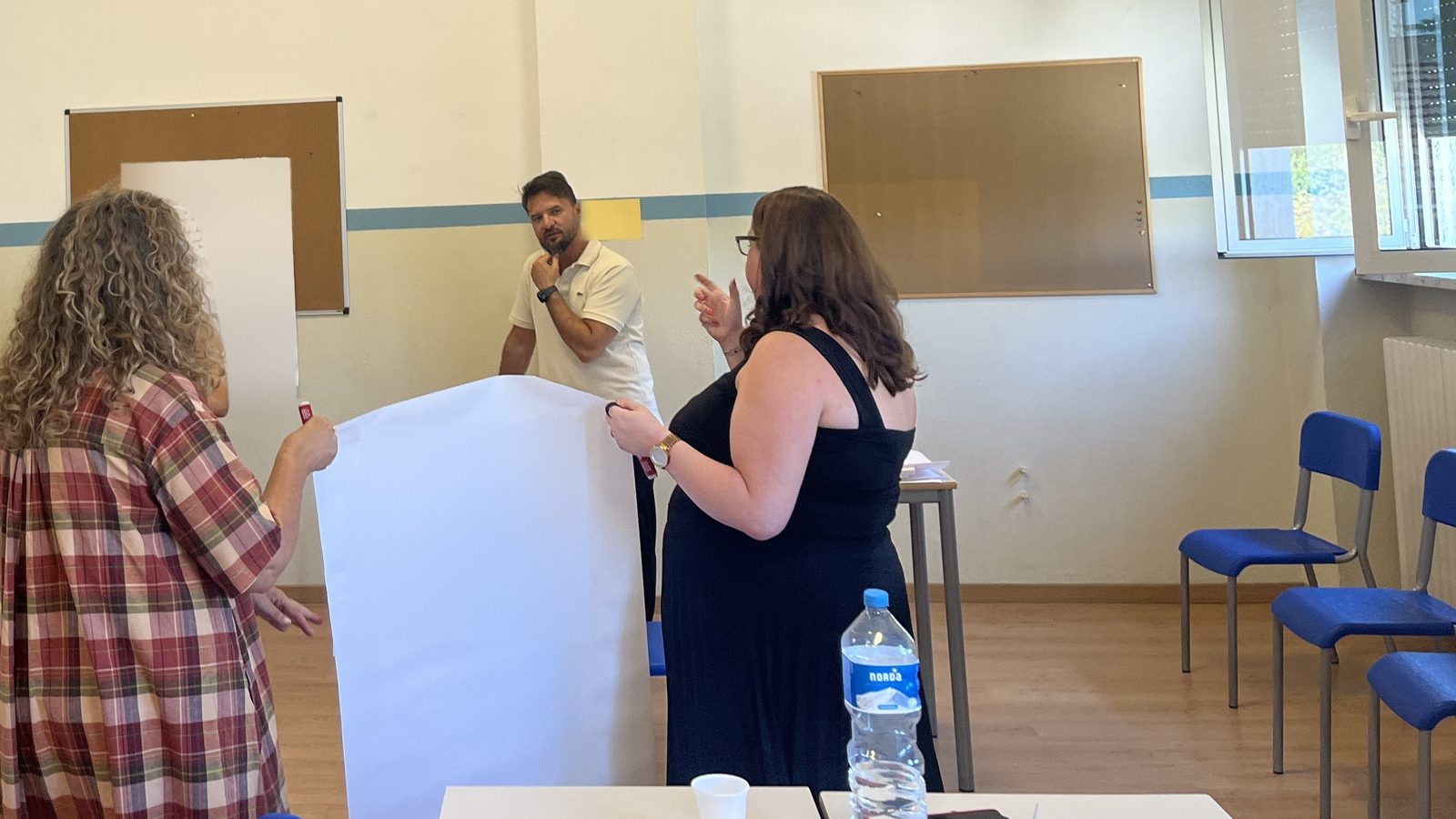
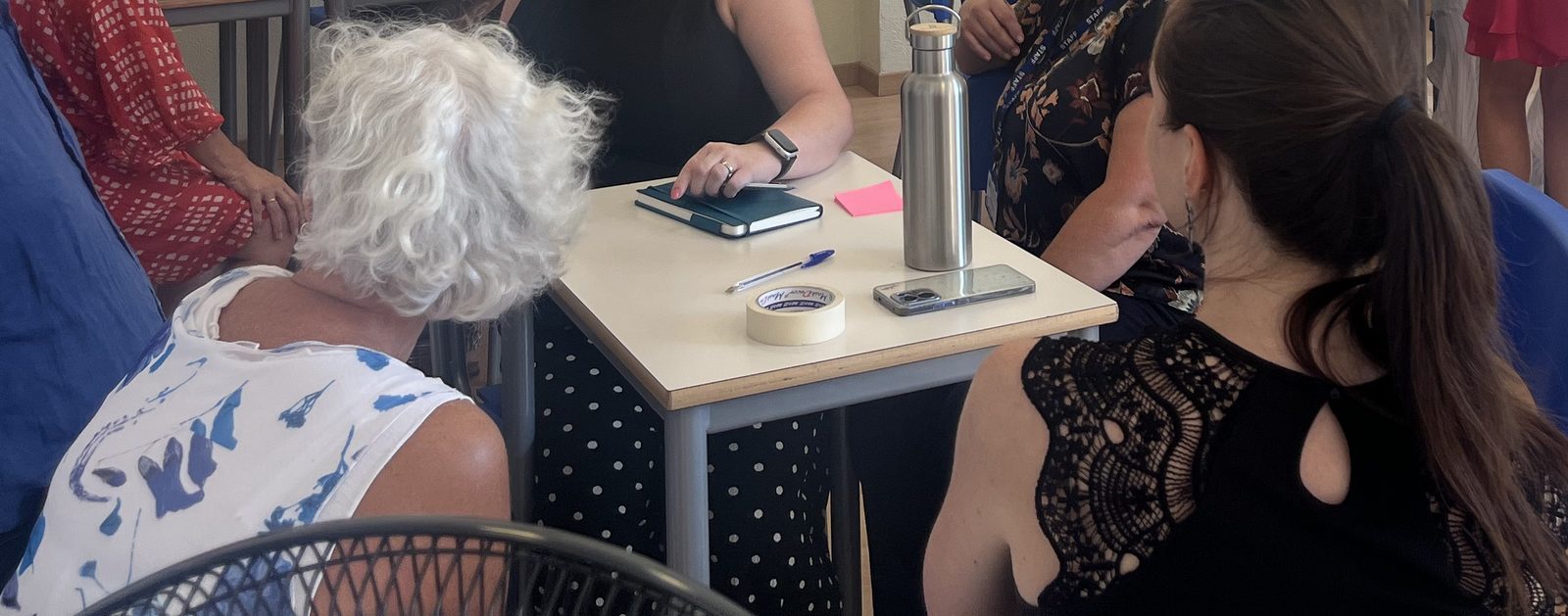
Day 1 belonged to the teaching staff. Colleagues worked in mixed groups across the three programmes, looked at the school as it is today and as they want it in three years, and chose their own questions. Each group turned its question into a proposal: what they suggest, what it would take, what they will do themselves and what they ask of leadership. The day closed with the whole staff hearing back what we had heard.
Day 2 was with leadership. Coordinators and school leaders worked through every staff proposal and gave each a clear answer: yes and when, no and why, or a named person and a date. Together we mapped who decides, who is consulted and who is told, and leaders, in pairs, each built one concrete thing they would run.
Section
Why we began with the teachers
Lasting change in a school grows from the people who do the daily work. Andersen's leaders understood this when they chose to begin with their teachers.
Before people can build something together, they need to feel that their own voice counts. Power within comes before power with. Trust is a little like oxygen: you notice it only when it is missing.
That is why leadership's role is to answer, not only to listen. A clear answer shows that an idea was taken seriously, and when the reasons behind decisions stay visible, people can see their part in where the school is going.
Section
What the school is taking forward
Andersen has confirmed it is continuing the work with us into a next phase. The two days ended in commitments rather than intentions: staff proposals answered in the room, a shared picture of who decides what, and concrete pieces of work, each with an owner and a date. The aim stays the same: a clear, shared direction, collaboration as part of how the school runs, and an identity that parents, students and teachers can describe in their own words. That is what being a first choice rests on.
From the two days


Sources
Andersen International School's public website (andersenschool.it) for its mission, programmes and campus; Nordic Education Academy notes and photographs from the two days.
Start with a Diagnostic
Begin the way Andersen did: listen to staff first, then work with leadership.
Start with a DiagnosticMore from Client Engagements